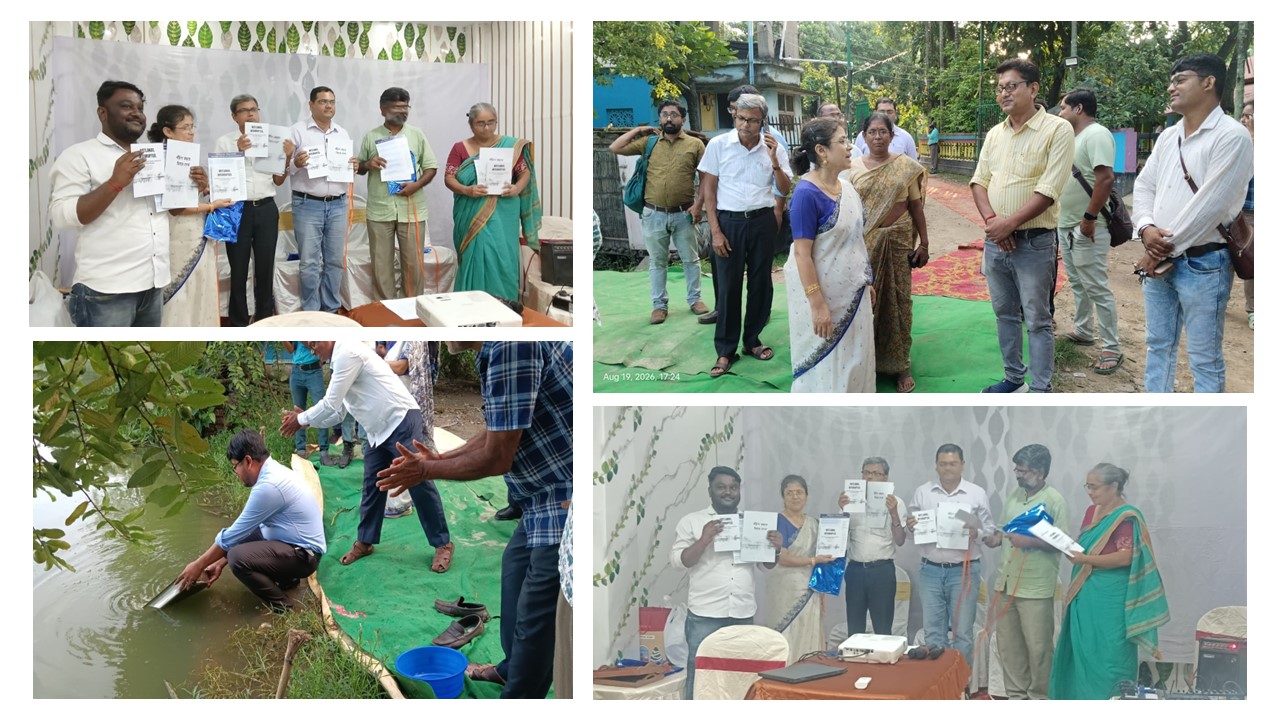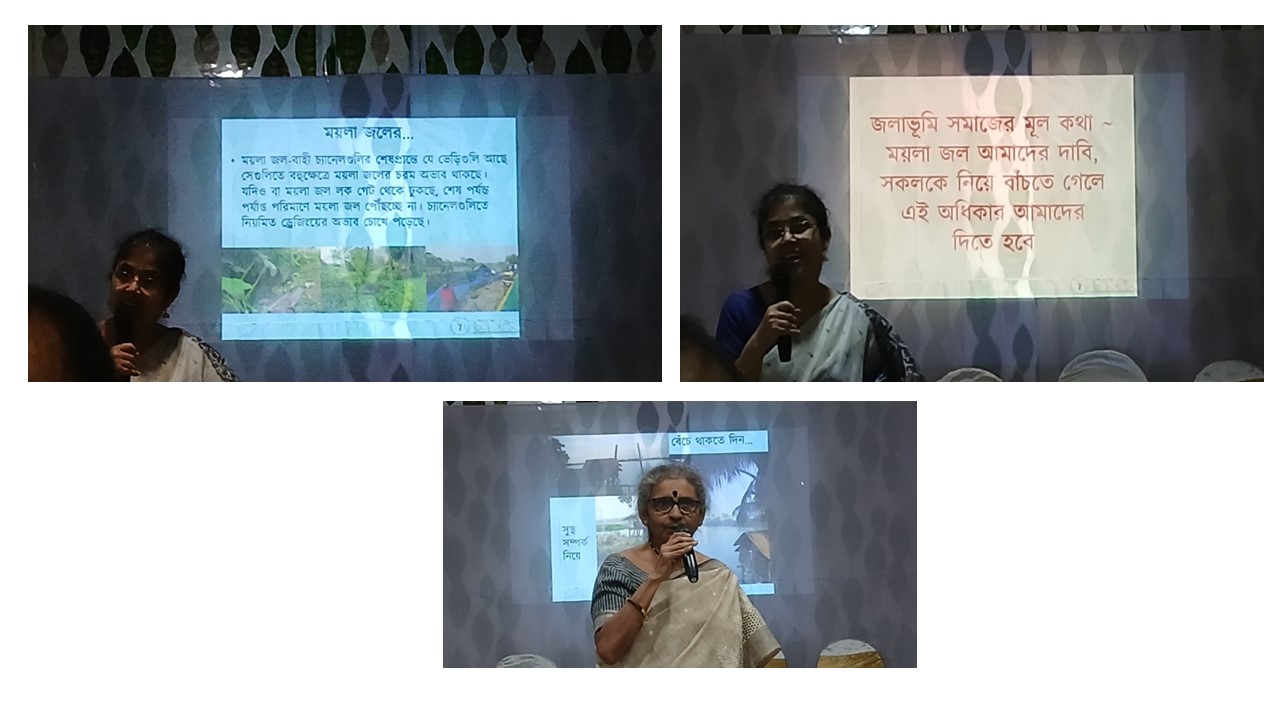
On a nondescript day on August 19, 2002, the Ramsar Secretariat put out a global list of wetlands that had won recognition, being a Wetland of International Importance. Among Indian wetlands, Kerala’s Vembanad Kol – larger than the 12500-hectare East Kolkata Wetlands – also got recognition, but did not attract the kind of attention that the EKW did. Dhrubajyoti Ghosh, who saw how the wetlands served as a multi-purpose ecosystem that literally ensured Kolkata’s sustainability as an urban habitat, named Kolkata ‘an ecologically subsidised city’. Over the years, waves of people from all parts of the world have come to see the world’s largest fully functional organic waste treatment system. But institutional and city-based stakeholders, who should have served as the most vigilant guardians of the East Kolkata Wetlands, have allowed their vitality to be more and more threatened. So much so, that these wetlands are facing a crisis of existence. On August 19, 2026, SCOPE brought out two pieces of research, one in English named Wetlands, Interrupted and the other one in Bengali called পঁচিশ বছরে ফিরে দেখা। The research centered around a demographic study of the wetland community who through their livelihood generation, grow produce that treats the sewage of the city and ensures mutual living. Urban and peri-urban survive together. The booklets will soon be available online! SCOPE, Deshkal Shyamal Ghosh Memorial Trust and 4 No Bhery, organised a commemoration initiative on August 19, Wednesday, where the booklets were inaugurated. We reminisced about the bigger context of the wetlands, which is the Greater Dumdum area, outlining how these wetlands shrunk in size over the years. We spoke of the efforts of the community to survive through the building up of intricate production systems. We shared
how cooperatives formed the most important tool for the community to organise itself. And we finally shared how in spite of being guarantors of ecological stability, these wetlands are dying because the sewage supply is being cut off, slowly and continuously. The workforce is ageing, and the new generation is wary of coming in, because of the uncertainties involved in production and therefore, income.
We need to turn the tide, and we need to turn it NOW.